
Featured Waterproof Plywood & Panel Innovations
Engineered to withstand rigorous Japanese industrial standards and demanding site conditions
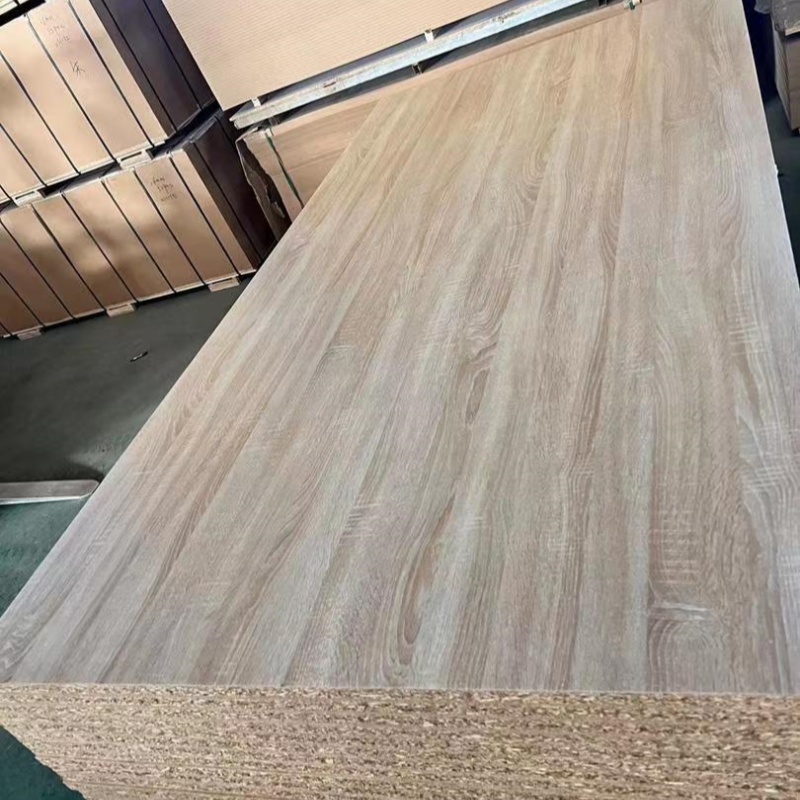
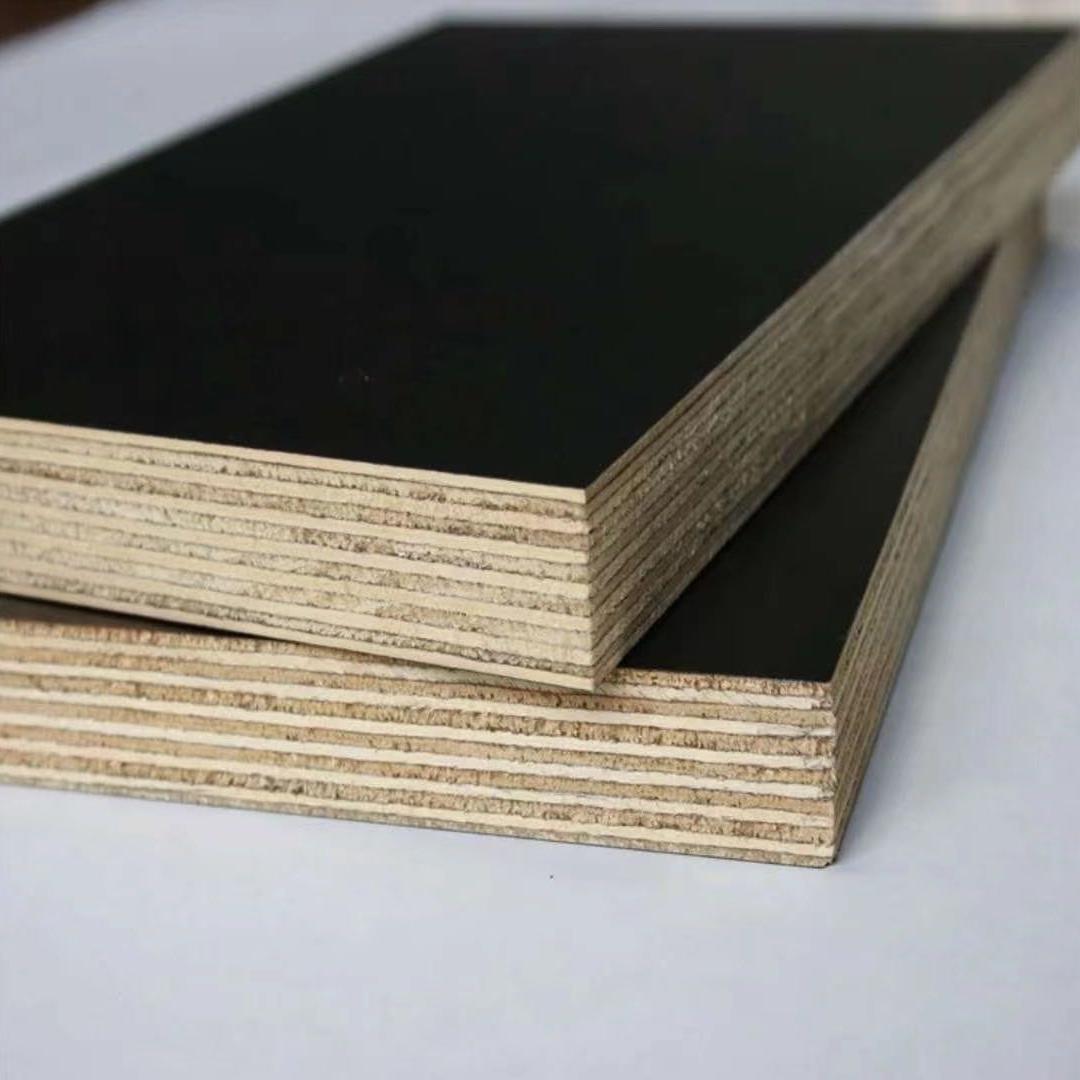
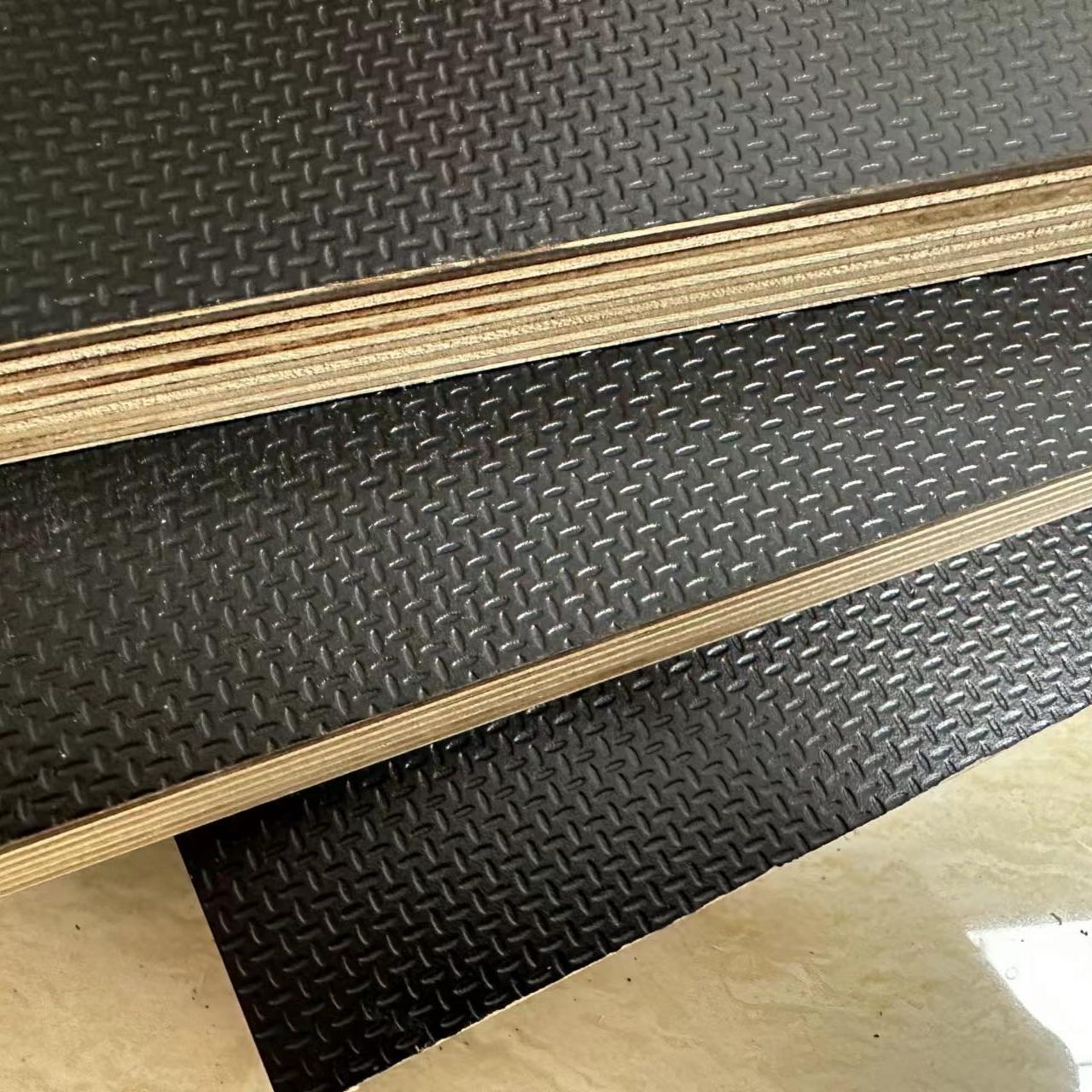
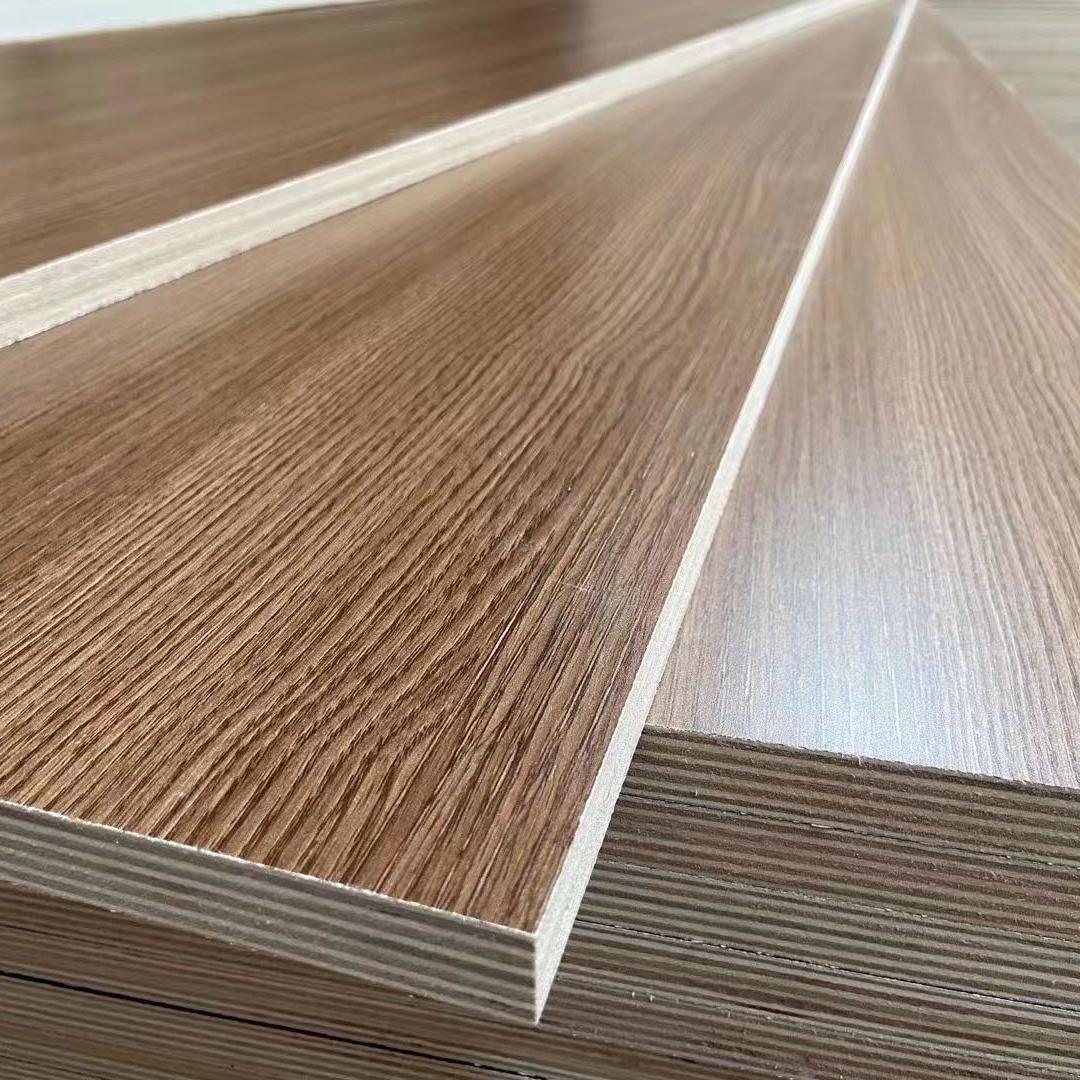

Linyi Aisen Wood Products Co., Ltd.
Linyi Aisen Wood Products Co., Ltd. renamed as Aisen Wood in 2019, is a leading player in the wood industry based in Linyi, Shandong Province, China. With over three decades of experience, we have established ourselves as a comprehensive enterprise offering product development, design, production, sales, and after-sales service.
One of our greatest strengths lies in our extensive expertise in wood products production. Our seasoned team has a deep understanding of the industry and is capable of delivering high-quality products that meet the diverse needs of our customers.
International Reach & Strict Quality Control
We take pride in our extensive sales market and have successfully exported our products to various regions including South America, North America, the Middle East, Africa, Southeast Asia, and Australia. Maintaining quality has always been our top priority. Over the years, we have implemented a series of strict quality management systems to ensure the excellence of our products.
This commitment to quality has been recognized with our ISO 9001 quality system certification and ISO 14001 environmental system certification. Furthermore, we possess the capability to test parameters such as formaldehyde emission, moisture content, impregnation and peeling, static bending strength, and elastic modulus of our sheet products. At Linyi Aisen Wood, we firmly believe in the business philosophy of "survival by quality, development by reputation."


Commitment to Global Standards & Client Satisfaction
Our dedicated team continuously works towards exceeding customer expectations, placing their needs and satisfaction at the core of our operations. We operate with integrity as our guiding principle and strive to deliver first-class quality products and services. It is this commitment to excellence that has earned us the trust and praise of our valued customers.
We cordially invite you to visit our factories and witness our production process firsthand. Connecting with customers worldwide and fostering long-term business relationships is a shared vision of ours. We are excited about the prospect of collaborating with you and look forward to welcoming you to our facilities.
QUALITY GUARANTEE
Good products start from good raw materials, we have more than 45 inspecters on quality.
OUR SERVICE
Pre-sales Service: Any inquiry will be replied within 24 hours. After-sales Service: Any quality issues will be resolved within 24 hours.
CERTIFICATE
This commitment to quality has been recognized with our ISO 9001 quality system certification and ISO 14001 environmental system certification.
Industrial Landscape & Waterproof Plywood Manufacturing in Tokyo
The Tokyo Metropolitan Area, as the epicentre of Japan's commerce, infrastructure, and architectural evolution, has consistently driven stringent benchmarks for advanced building materials. In particular, the demand for waterproof plywood, marine-grade substrates, and advanced shuttering formwork panels across Tokyo, Kanagawa, Chiba, and Saitama has surged due to urban renewal initiatives, underground transportation enhancements, waterfront engineering across Tokyo Bay, and high-density seismic-resilient residential construction. Waterproof plywood factories and manufacturers serving the Tokyo market must adhere not only to standard mechanical durability metrics but also to strict environmental ratings such as the Japanese Agricultural Standards (JAS) and the world-renowned F-four-star (F☆☆☆☆) low-formaldehyde emission thresholds.
JAS Structural Compliance
Precision boiling tests, adhesive bonding verification, and shear strength certifications suitable for Tokyo civil infrastructure.
F☆☆☆☆ Emission Purity
Ultra-low formaldehyde resins ensuring compliance with Japanese Building Standards Law for residential and public spaces.
High-Cycle Formwork
WBP phenolic adhesives and polymer-coated overlays providing exceptional dimensional stability against continuous moisture.
Key Drivers in the Tokyo Waterproof Plywood Supply Chain
Manufacturing and supplying engineered waterproof panels to the Greater Tokyo industrial network involves high-precision calibration of cross-laminated veneer cores, high-pressure phenolic gluing (WBP), and synthetic resin surface encapsulation. Tokyo's climatic reality—featuring seasonal typhoons, humid summer intervals, and extreme coastal exposure near Tokyo Port—demands that exterior-grade and concrete formwork panels exhibit zero delamination when subjected to cyclical immersion and thermal stress.
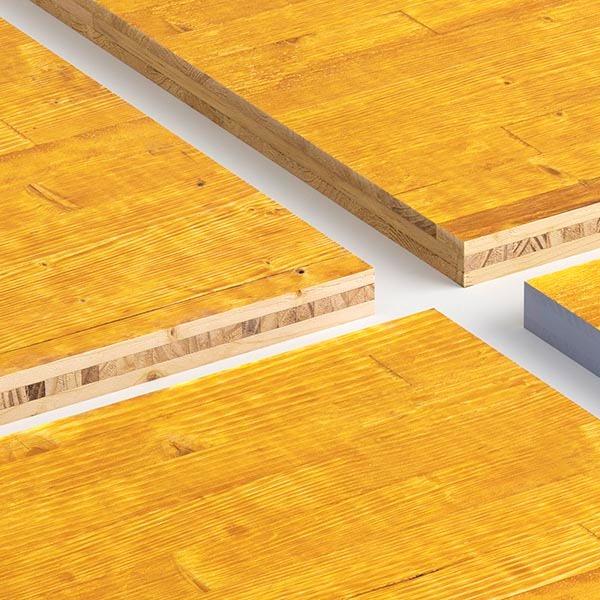
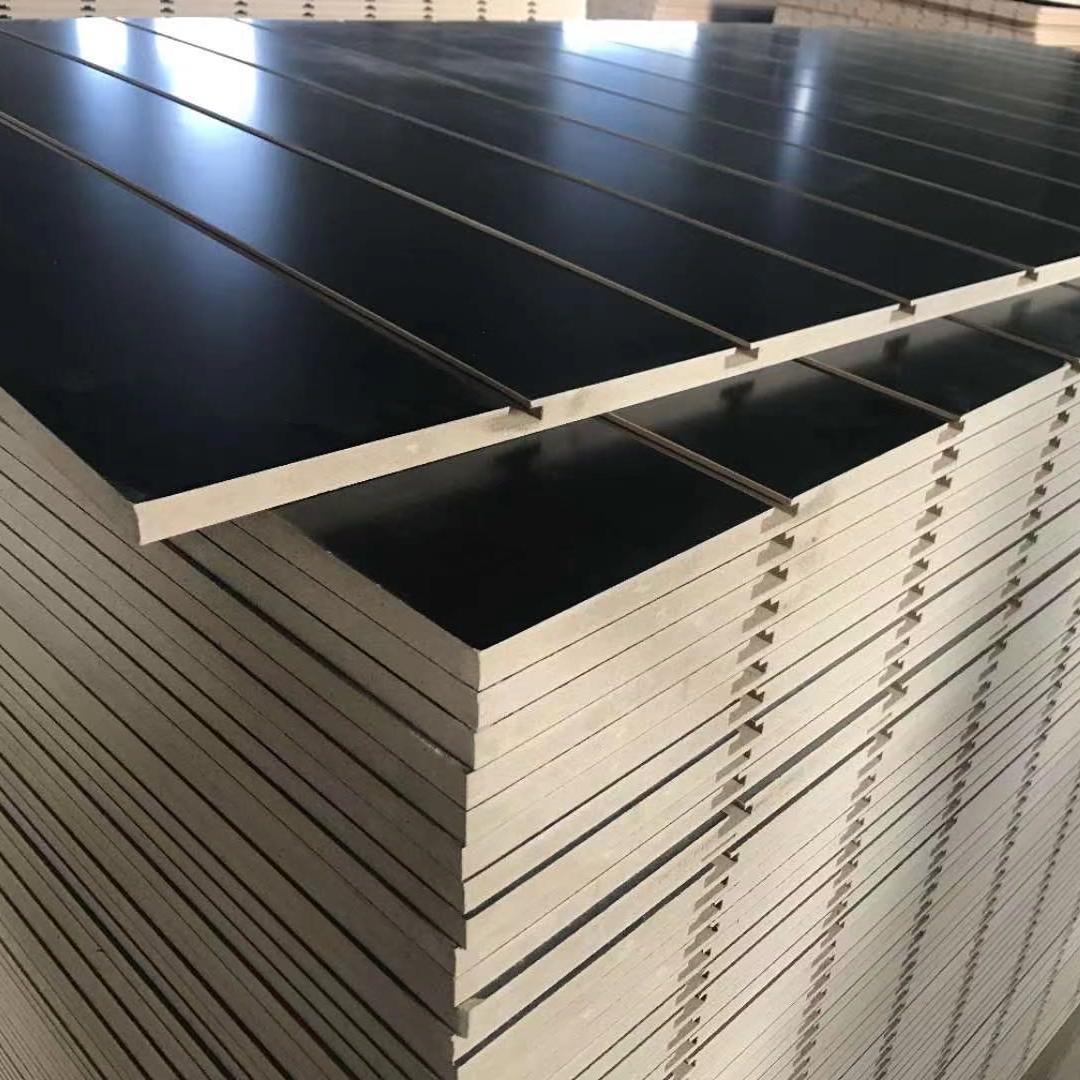
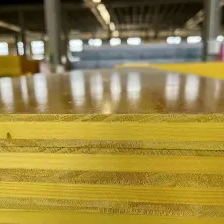
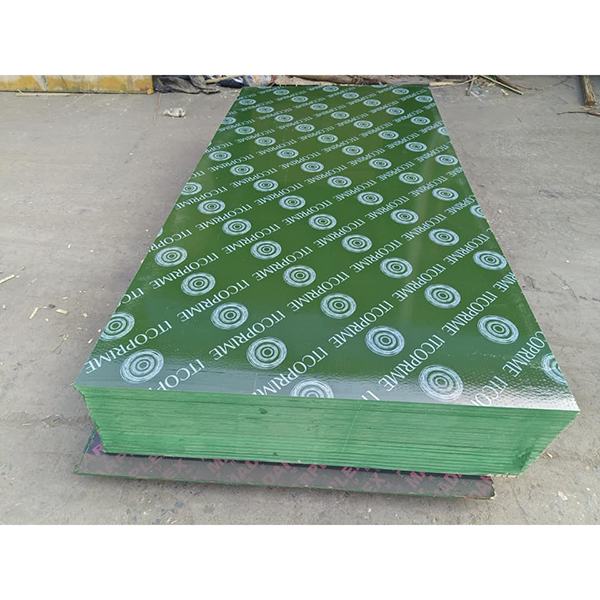
Manufacturers supplying Tokyo contractors focus on three pivotal chemical and physical parameters: moisture content stabilization between 8% and 12%, elastic modulus integrity across dynamic horizontal loads, and resistance to wood-rotting fungi through bio-safe eco-preservative infusion. As Japan continues to invest heavily in resilient municipal infrastructure, civil engineering firms actively source multi-reuse film faced plywood, 3-ply yellow shuttering panels, and moisture-resistant MDF/HDF composite solutions to minimize lifecycle project costs while accelerating pouring cycles.
Localized Applications Across Tokyo Industrial & Construction Sectors
The applications for high-grade waterproof timber panels across Tokyo are multifaceted and continuously expanding:
1. Coastal and Civil Infrastructure around Tokyo Bay: Concrete formwork shuttering for seawalls, tunnel liners, and container terminal facilities requires premium film-faced and hollow plastic composite boards that resist saline moisture, alkaline chemical leaching, and mechanical abrasive wear during repetitive pours.
2. Transit and Underground Engineering: The continuous expansion of Tokyo's intricate subway networks and underground retention reservoirs relies heavily on waterproof plywood panels exhibiting high flexural rigidity and anti-fungal resistance under subterranean humidity.
3. Prefabricated and Modular Housing (MOKU Architecture): Japanese industrialized timber construction demands exterior structural sheathing and subflooring with impeccable moisture barrier properties, ensuring structural safety during typhoon seasons and preventing indoor moisture accumulation.
4. High-End Commercial Interior Millwork: Commercial complexes in Shibuya, Ginza, and Marunouchi leverage moisture-resistant HDF, melamine-faced boards, and wood veneer laminated panels for high-traffic, climate-controlled retail fixtures and luxury hospitality spaces.
Technological Trends: Sustainable Resins and AI-Driven Smart Manufacturing
The future of waterproof plywood manufacturing catering to Tokyo and global markets lies at the intersection of environmental stewardship and automated precision. Advanced factories are progressively implementing intelligent automated optical grading to identify core veneer voids, robotic adhesive dispensing that optimizes phenolic resin distribution, and radio-frequency pressing for uniform density. Concurrently, the industry is transitioning toward bio-based lignocellulosic bonding agents and zero-emission adhesives, aligning with Tokyo’s carbon-neutral targets and global green building certifications such as LEED and CASBEE.
Comprehensive Waterproof & Industrial Panel Collection
Direct supply from state-of-the-art manufacturing lines for international and regional distribution




-

Phone
-

E-mail
-

Whatsapp
-
Whatsapp
Judy

-
Whatsapp
Judy

-

Top