
Featured Substrates & Engineered Core Solutions
High-performance material foundations tailored for precision cabinet fabrication, formwork resilience, and high-moisture millwork applications.
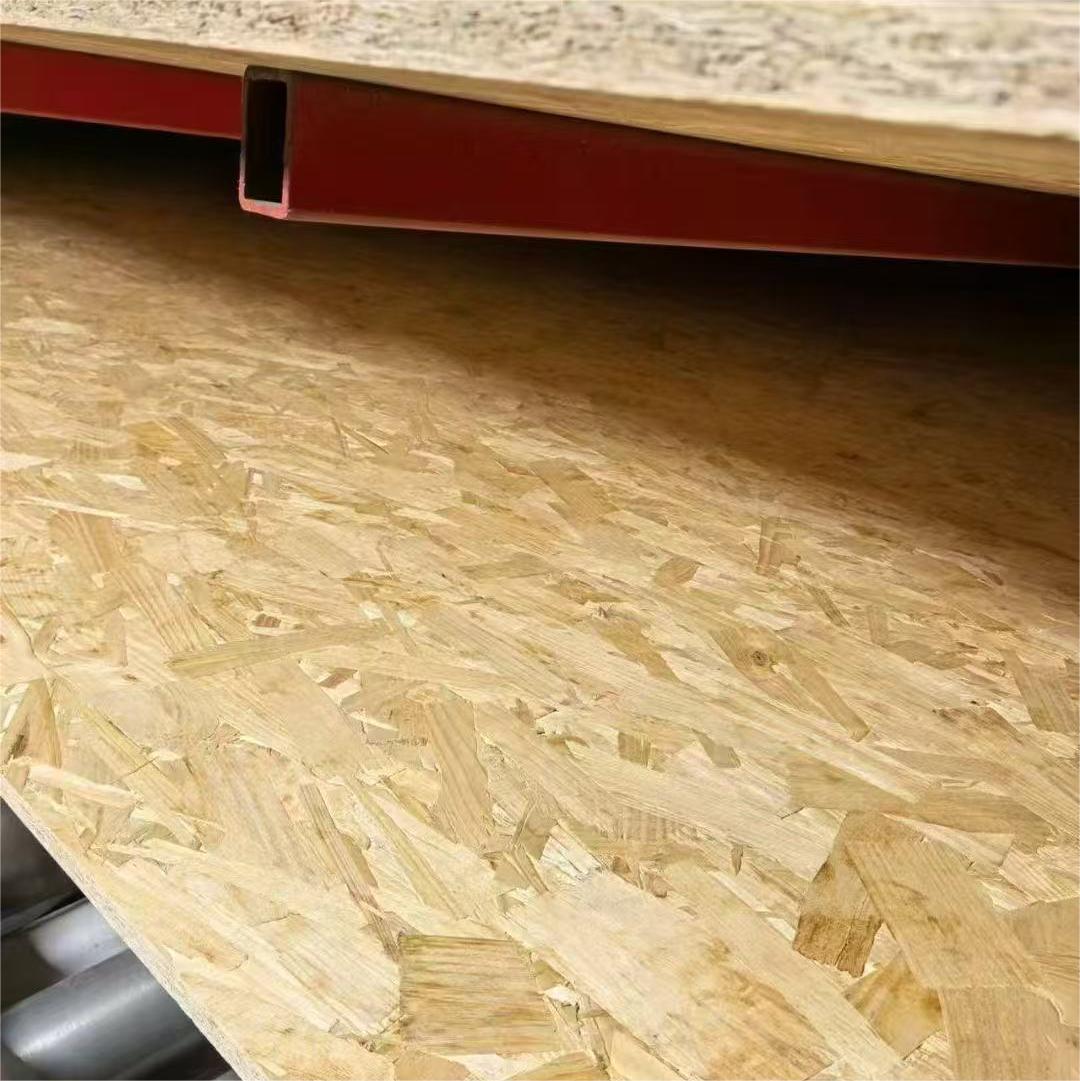
Melamine Chipboard / HMR Melamine Particle Board
View Product Details →
H20 LVL Timber Beam H20 Wood Wooden Beam H Girder
View Product Details →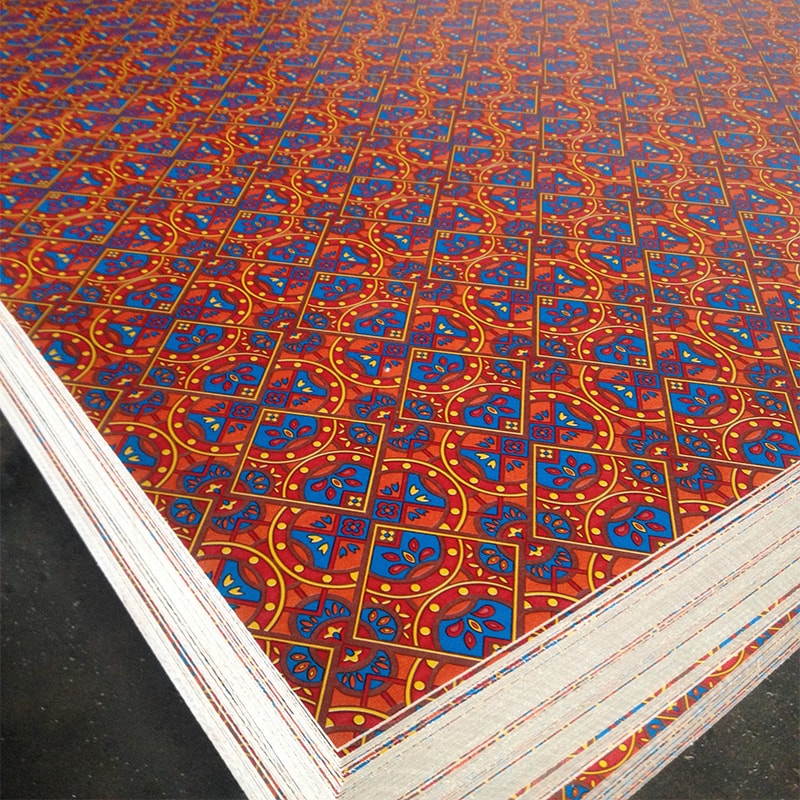
Paper Overlaid Plywood Shinning Color
View Product Details →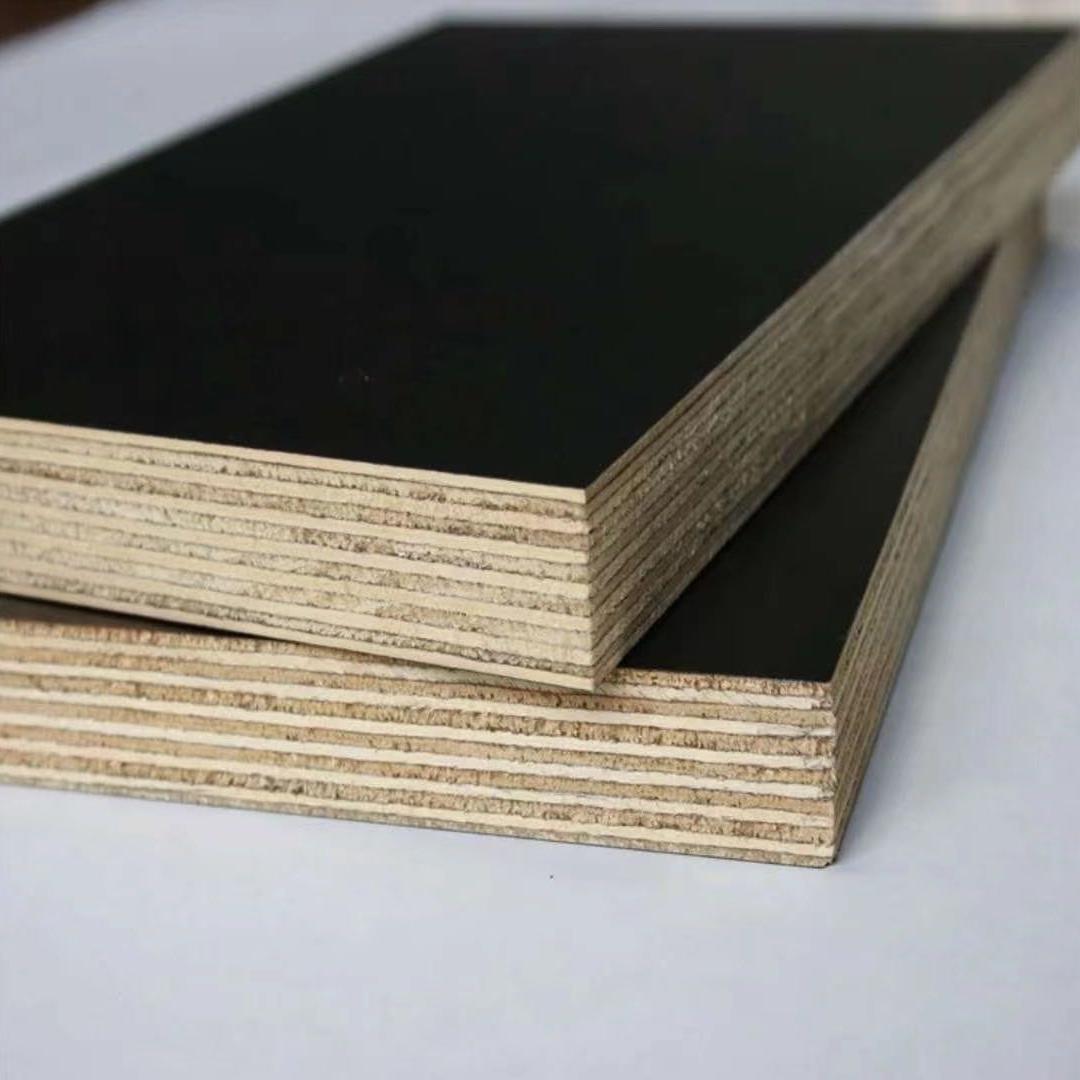
Reuse 15 to 20 Times Film Faced Plywood
View Product Details →The Convergence of Exterior Composite Roof Tile Formulations and Cabinet Production
The contemporary furniture, millwork, and industrial enclosure industries are undergoing a massive technological shift. Historically, cabinet manufacturers have relied almost exclusively on standard particleboard, medium-density fiberboard (MDF), and traditional interior-grade plywood. While these wood-based substrates offer cost-effectiveness and ease of machining, they present significant structural vulnerabilities when exposed to elevated relative humidity, continuous ultraviolet radiation, fluctuating thermal environments, and corrosive cleaning agents. To resolve these chronic degradation mechanisms, visionary material engineers and custom industrial casework manufacturers have turned toward the advanced chemical formulations and composite layering techniques originally perfected in heavy-duty composite roof tile engineering.
Composite roof tiles are engineered to withstand decades of relentless atmospheric exposure, severe hydrostatic pressure, broad-spectrum UV degradation, microbial growth, and intense cyclic thermal expansion. By adapting composite roof tile resin matrices—including fiber-reinforced polymers (FRP), vinyl ester thermosetting systems, cross-linked polyurethane-fiber networks, and mineral-polymer co-extrusions—into rigid substrate panels for cabinet production, fabricators can manufacture cabinetry systems with unmatched dimensional stability and absolute water impermeability. This technological migration has given rise to high-reliability cabinetry designed for high-stress applications such as exterior kitchens, chemical laboratory casework, marine utility storage, and harsh industrial environments.
Hydrophobic Resin Matrices
Leverages closed-cell polymers derived from exterior roofing technology, resulting in virtually zero water absorption (<0.08%) and immune to delamination or swelling.
Thermal & UV Photostability
Incorporates hindered amine light stabilizers (HALS) and ceramic-grade pigments to maintain mechanical tensile strength and color vibrancy under direct sunlight.
Structural Flexural Modulus
Combines multi-axial fiber reinforcement with rigid polymer binders, achieving high elastic modulus and superior screw-holding strength for heavy hardware installation.
Key Drivers Accelerating Composite Roof Tile Adoption in Cabinetry
The transition toward composite-derived panels in industrial and architectural cabinet production is propelled by critical performance demands across several commercial dimensions:
Industrial Insight: By integrating composite roof tile manufacturing technologies—such as compression molding, continuous pultrusion, and UV-cured acrylic cap-stock extrusion—cabinet manufacturers can produce seamless monolithic carcass panels, countertop backer boards, and modular plinths that exceed standard architectural lifespans by more than 300%.
Technical Specification Matrix: Traditional vs. Composite Substrates
A rigorous engineering comparison of traditional wood-based substrates against composite roof tile formulated panels illustrates the distinct performance benefits realized in modern cabinet manufacturing:
| Technical Parameter | Standard Particleboard / MDF | Marine Grade Plywood | Compact Phenolic Laminate | Composite Roof Tile Substrate |
|---|---|---|---|---|
| Water Absorption (24h immersion) | 12.0% - 25.0% | 4.0% - 8.0% | < 1.5% | < 0.08% (Negligible) |
| Flexural Strength (MOR) | 14 - 22 MPa | 38 - 55 MPa | 80 - 100 MPa | 65 - 95 MPa |
| Modulus of Elasticity (MOE) | 1,800 - 2,600 MPa | 4,500 - 6,500 MPa | 7,000 - 9,500 MPa | 5,800 - 8,200 MPa |
| Flame Spread Classification | Class C (Standard) | Class C / B | Class B / A | Class A (Self-extinguishing) |
| UV Degradation Resistance | Very Poor (Yellowing/Cracking) | Moderate (Requires Coating) | High | Superior (Weatherproof PMMA Cap) |
| Formaldehyde Emission Level | E1 / E2 (Resin dependent) | E1 / E0 | E0 / Zero | Zero Formaldehyde (VOC-Free) |
| Screw Withdrawal Strength | 800 - 1,100 N | 1,400 - 1,800 N | 2,000 - 2,500 N | 1,750 - 2,200 N |
In-Depth Application Scenarios in Cabinetry & Enclosure Manufacturing
The cross-functional utility of composite roof tile materials opens diverse application avenues for cabinet builders, contractors, and original equipment manufacturers (OEMs):
1. Luxury Outdoor Living & Exterior Kitchen Cabinetry
Outdoor kitchens are exposed to direct rainfall, intense solar heat, grease spatter, and freezing winter temperatures. Standard wood-core or melamine-faced cabinetry rapidly degrades in these conditions, leading to swollen joints and delaminated veneers. When composite roof tile panels are utilized as structural carcass material, the cabinetry maintains structural integrity without swelling, warping, or fading, providing a durable foundation for heavy granite or sintered stone countertops.
2. Cleanrooms, Laboratories & Hospital Casework
Healthcare facilities and scientific research laboratories demand chemical-resistant surfaces capable of withstanding aggressive disinfection protocols, including hydrogen peroxide vapor, alcohol wipes, and bleach solutions. The dense, non-porous resin matrix adapted from composite roofing materials resists chemical etching and biological contamination, ensuring sterile environments and effortless wipe-down cleaning.
3. Marine Vessels, Yachts & Coastal Utility Enclosures
Saline environments present severe corrosion challenges for standard metals and rapid wood rot for timber cabinetry. Composite roof tile panels remain completely immune to chloride attack and osmotic blistering, making them the preferred choice for yacht galleys, dockside dock-boxes, utility pedestal cabinets, and coastal residential millwork.
4. Industrial Telecom, Electrical & Automation Enclosures
Cabinet production extends beyond residential furniture into industrial control panels, battery storage cabinets, and municipal utility junction housings. Composite roof tile formulations offer exceptional dielectric insulation, protecting delicate electronic components from moisture ingress, extreme ambient temperatures, and lightning-induced electrical surges.

Precision CNC Machinability and Fastening Systems
Modern composite panel formulations engineered for cabinet production are calibrated for standard woodworking machinery. Cabinet makers can utilize carbide or diamond-tipped (PCD) CNC router bits, automated edgebanders, and traditional doweling or pocket-hole joinery. The balanced density profile prevents core blowout during high-speed drilling, ensuring clean mortise-and-tenon and RTA (Ready-To-Assemble) cam-lock installations.
Furthermore, composite panel surfaces are compatible with continuous hot-melt PUR edge-sealing, acrylic decorative veneers, and high-pressure melamine laminations, allowing designers to achieve warm woodgrain aesthetics while retaining the impervious structural properties of exterior composite tiles.
Future Trends: AI-Driven Compression Molding & Sustainable Bio-Composites
As the global construction sector marches toward carbon neutrality, the future of composite roof tile materials in cabinet production is shaped by technological innovation and sustainable raw material sourcing:
1. Recycled Polymer & Mineral Synergy: Pioneering manufacturers are blending recycled post-consumer polymers with calcium carbonate and industrial mineral wastes, creating circular composite panels that reduce environmental footprint while enhancing acoustic dampening and stiffness.
2. AI-Optimized Resin Curing & Core Density Profiling: Advanced manufacturing plants utilize AI-driven infrared sensors and machine learning algorithms to monitor thermal exothermic reactions in real-time during panel pressing. This ensures consistent cross-link density throughout the core, eliminating internal residual stresses that cause panel warpage.
3. Smart Enclosures with Integrated Thermal Channels: By leveraging the moldability of composite tile raw formulations, manufacturers are developing integrated heat dissipation channels and concealed cable raceways directly within the cabinet carcass panels, revolutionizing smart home and server rack installations.
About Us - Linyi Aisen Wood Products Co., Ltd.
Over three decades of manufacturing excellence, global supply chain leadership, and comprehensive wood & composite product solutions.
Linyi Aisen Wood Products Co., Ltd., renamed as Aisen Wood in 2019, is a leading player in the wood and composite industry based in Linyi, Shandong Province, China. With over three decades of experience, we have established ourselves as a comprehensive enterprise offering product development, design, production, sales, and after-sales service.
One of our greatest strengths lies in our extensive expertise in wood products and advanced composite substrate production. Our seasoned team has a deep understanding of the industry and is capable of delivering high-quality products that meet the diverse needs of our global customers across residential cabinetry, commercial millwork, and industrial infrastructure.
Maintaining quality has always been our top priority. Over the years, we have implemented a series of strict quality management systems to ensure the excellence of our products. This commitment to quality has been recognized with our ISO 9001 quality system certification and ISO 14001 environmental system certification.


We take pride in our extensive sales market and have successfully exported our products to various regions including South America, North America, the Middle East, Africa, Southeast Asia, and Australia. We possess complete in-house testing capabilities for critical parameters such as formaldehyde emission, moisture content, impregnation and peeling, static bending strength, and elastic modulus of our sheet products.
At Linyi Aisen Wood, we firmly believe in the business philosophy of "survival by quality, development by reputation." Our dedicated team continuously works towards exceeding customer expectations, placing their needs and satisfaction at the core of our operations.
We operate with integrity as our guiding principle and strive to deliver first-class quality products and services. We cordially invite you to visit our factories and witness our production process firsthand. Connecting with customers worldwide and fostering long-term business relationships is a shared vision of ours. We are excited about the prospect of collaborating with you and look forward to welcoming you to our facilities.
QUALITY GUARANTEE
Good products start from good raw materials. We have more than 45 dedicated inspectors monitoring every step of quality control.
OUR SERVICE
Pre-sales Service: Any inquiry will be replied within 24 hours. After-sales Service: Any quality issues will be resolved within 24 hours.
CERTIFICATE
Recognized globally with ISO 9001 quality system certification, ISO 14001 environmental certification, and strict international sheet testing protocols.
Comprehensive Product Catalog
Explore our diversified range of engineered panels, shuttering systems, door skins, and composite core solutions designed for international cabinet making and construction standards.

Plastic Hollow Formwork
View Product Details →
Melamine Chipboard / HMR Melamine Particle Board
View Product Details →
1000x500x27mm 3 Layers Yellow Shuttering Panel for Concrete Formwork
View Product Details →
Commercial Plywood Bintangor Plywood
View Product Details →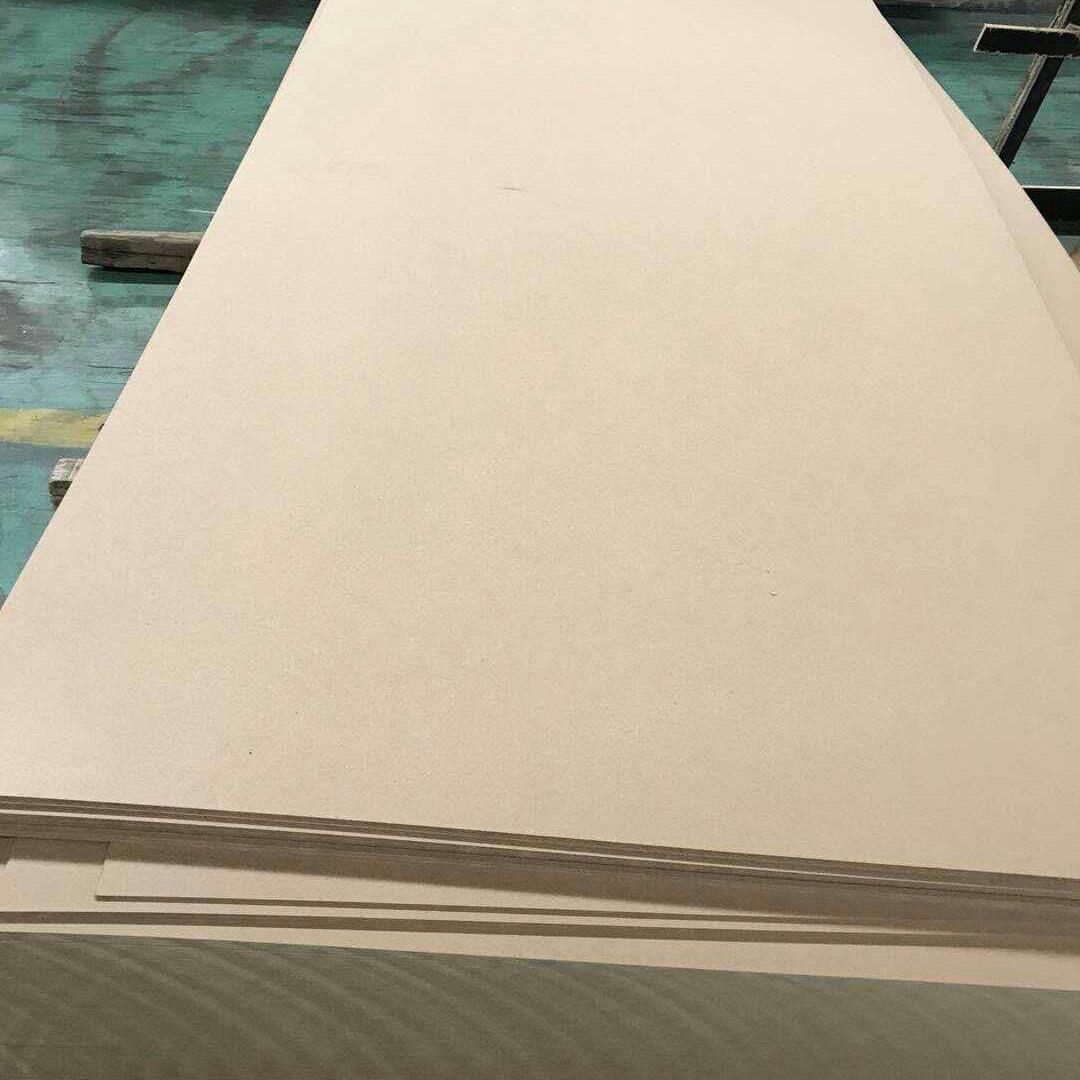
Plain Raw MDF Board / PET MDF / Moistureproof MDF / Fireproof MDF
View Product Details →
Skin Door / Melamine Door Skin / Veneer Skin Door
View Product Details →
Green Plastic Film Faced Plywood / Shuttering Construction Plywood
View Product Details →
Waterproof 3 Ply Yellow Shuttering Plywood for Concrete Formwork
View Product Details →-

Phone
-

E-mail
-

Whatsapp
-
Whatsapp
Judy

-
Whatsapp
Judy

-

Top